

 Login
Login7
 vote
vote
96 Views Share:
 96 Views Share:
Needle Drop Count: 1980’s: 1980-1983
Movie list created by Agent Kermit D. Fonz 
Sort by:
Showing 1-50 of 137
Decade:
Rating:
List Type:
 Add items to section
2
 Add items to section
1980
 334
334
 6.7
6.7
 6.5
6.5
Cruising (1980)

10 needle drops
38 to 43 over cues
Featuring music composed by Jack Nitzsche and Jill Fraser.
Performances by The Germs, Madelynn Von Ritz, Willy DeVille, The Cripples, Rough Trade, Mutiny and John Hiatt
Running time: 102 mins
Number of songs and cues: 38-43
Music per average: 0.40 cues per minute or 2.52 mins
Number of cues per minute: 2.4 to 2.6 minutes
Most significant cue and song: Within William Friedkin's Cruising, critics and music historians generally isolate two distinct pieces of musicas the most significant cues—one representing the atmospheric score, and the other representing the underground punk needle drops.
1. The Opening Theme / Main Title (The Score Cue)
Composed by Jack Nitzsche, the film's opening theme is widely considered the most structurally significant instrumental cue.
The cue features ominous, slowly mounting analog synthesizer tones blended with metallic percussion effects and organic noises.
Director William Friedkin famously described the effect of this cue as feeling "like a cold hand on the back of your neck."
This piece of music set the dark, anxious tone for the entire film.
Music critics have noted that its heavy, eerie synth design directly anticipated the influential electronic horror and thriller scores of the early 1980s, such as John Carpenter's Escape From New York.
“Lions Share" by The Germs (Needle Drop Cue)
From a historical and cultural standpoint, the deployment of the punk track "Lions Share" during the underground club sequences is the most significant needle drop in the movie.
Performed by the legendary L.A. punk band The Germs (led by Darby Crash and featuring future Nirvana/Foo Fighters guitarist Pat Smear), this song was captured during what turned out to be the band's final studio recording session before Crash's death.
It used the blistering , aggressive track to score the raw energy of the leather bars. Rather than using standard disco or sanitized "club music," this cue provided a gritty, anti-cliché sonic landscape that cemented the movie's underground subculture identity.
Agent Kermit D. Fonz's rating:

 217
6.4
6.7
217
6.4
6.7
Heaven's Gate (1980)

25 scores of gate
Composed by David Mansfield
Running time: 108-325 minutes
Number of scores: 25
Length of score: around 36 to 42 minutes
Tracks per average: Various
Tracks per minute: Vsrious
Most successful cue: Without question, the most significant and defining musical cue in Heaven’s Gate is the "Heaven’s Gate Waltz" (sometimes simply titled the "Main Title" or "Overture" theme).
It serves as the emotional and structural heartbeat of both the film and the soundtrack.
And also featured “Slow Water" and “The Long Walk”.
Agent Kermit D. Fonz's rating:

 229
7.1
7.3
229
7.1
7.3

12 Atlantic City cues
2 jazzy needle drops
Music composed by Michel Legrand and featuring music by Paul Anka and Elizabeth Harwood
Featuring “Atlantic City My Old Friend": Written by Paul Anka and performed by Robert Goulet and “Casta Diva" (From Bellini's Norma, performed by Elizabeth Harwood.
Running time: 104 mins
Number of tracks: 12
Length of score: 40 minutes and 38 seconds
Cues per average: 02 cues per minute
Most significant cue: The most significant musical cue in the film is Vincenzo Bellini's opera track "Casta Diva" (from Norma), performed by soprano Elizabeth Harwood.
While it technically functions as a diegetic needle drop rather than a traditional background score cue, it serves as the emotional and thematic anchor of the entire movie.
Agent Kermit D. Fonz's rating:

 374
7
6.5
374
7
6.5
Inferno (1980)

14-15 satanic witch cues
Music performed by Keith Emerson, conducted by z Godfrey Simon with vocals by Linda Lee.
Featuring the Symphonic Orchestra and Chorus of Rome Radio Televisione Italiana and Gaetano Riccitelli as choir master and Fernando Previtali as conductor.
Featuring “Va, pensiero" (Nabucco) performed by Giuseppe Verdi.
Running time: 107 mins
Number of scores: 14-15
Length of score: 35 mins
Cues per average: 1 musical cue every 7.6 minutes
Average Cue Duration: 2 minutes and 25 seconds in length
Most memorable cue: The most memorable and famous musical cue from the Inferno score is "Mater Tenebrarum" (Mother of Darkness).
It is widely considered the signature theme of the film, serving as the musical anchor for the movie's climax when the true identity of the villa's sinister ruler is finally unveiled.
Agent Kermit D. Fonz's rating:
 156
6.4
5.8
156
6.4
5.8
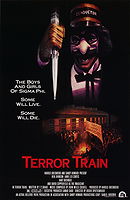
Terror Train (1980)
39 terror train cues
Composed by John Mills-Cockell
Running time: 97 mins
Total Score Length: 85 minutes of total recorded audio.
Number of track: and cues: 39
Music per average: 2 minutes and 11 seconds
Music per minute: 0.87 minutes (52 seconds) of music
Most significant cue: Composer John Mills-Cockell masterfully uses synthesizers to mimic the rhythmic chug-a-chug of a steam locomotive. This background pulse acts as a musical engine that drives the film's tension.
The cue heavily utilizes the Moog Prodigy synthesizer. It blends low, ominous bass drones with a soaring, melancholic melody that signals impending doom for the college students.
The music seamlessly bridges the gap between a traditional classical orchestra and early 1980s avant-garde electronic music, separating Terror Train from standard orchestral slasher films of the era.
It plays during the opening tracking shots of the train moving through the desolate, snow-covered landscape, instantly isolating the characters and trapping the audience onboard.
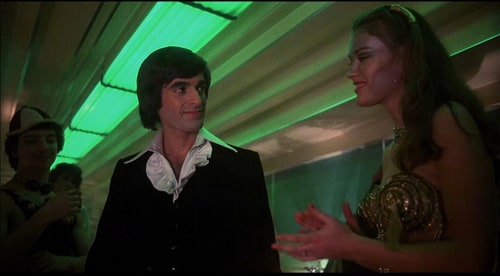
Also significant was “Music at the Disco” , the music used during David Copperfield's magic act scenes .
Agent Kermit D. Fonz's rating:
 157
5.1
5.3
157
5.1
5.3
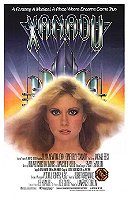
Xanadu (1980)

10 magical songs
5 songs by Olivia Newton John
5 songs by Electric Light Orchestra
1 song by The Tubes
Music performed by Olivia Newton John, Electric Light Orchestra, The Tubes, Gene Kelly and Cliff Richards
Running time: 96 mins
Number songs: 10
Number of songs per average: 9.6 mins
Number per minute: 37 minutes and 6 seconds
Most significant songs: Magic" and the title track "Xanadu" are tied as the two most significant songs from the soundtrack.
Their commercial importance depends entirely on whether you look at the North American or European music charts.
Both songs were hits for Olivia Newton John and Electric Light Orchestra.
“Suddenly” and “All Over the World”, also very significant too.
Agent Kermit D. Fonz's rating:
 2278
7.6
7.9
2278
7.6
7.9
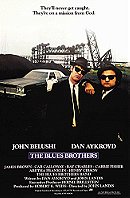
The Blues Brothers (1980)
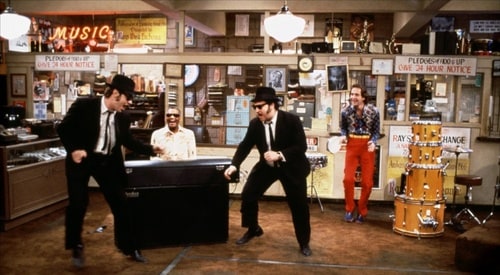
20-28 blues jams (in film)
11 songs on soundtrack
Number of musicians: 16
Musicians and singers in film:
Frontmen: John Belushi (Jake) and Dan Aykroyd (Elwood).
8 Band Members: The full Blues Brothers Band lineup (Steve Cropper, Donald "Duck" Dunn, Matt Murphy, Lou Marini, Tom Malone, Alan Rubin, Willie Hall, and Murphy Dunne).
6 Guest Legends: Iconic cameos with major musical numbers.
Including James Brown, Aretha Franklin, Ray Charles, Cab Calloway, John Lee Hooker, and Chaka Khan.
Number of uncredited musicians: 50
The Maxwell Street Band: John Lee Hooker's real-life backing band (including Big Walter Horton, Pinetop Perkins, Willie "Big Eyes" Smith, and Luther "Guitar Jr." Johnson) who perform live on the sidewalk.
The Church Choir: Professional gospel singers backing up James Brown.
The Room Service Band: The fictional "Murph and the Magic Tones" lounge band members.
Running time: 133-148 mins
Number of songs: 28
Number of songs per average: 0.18 songs per minute
Number of songs per minute: 5.5 mins
Number of performances in total: 35
Performances per average: 3.6 songs per minute
Most significant song: While several scenes compete for the title, Aretha Franklin performing "Think" is widely considered the most memorable and iconic song performance in The Blues Brothers.
Agent Kermit D. Fonz's rating:
 36
5.9
5.9
36
5.9
5.9
The Jazz Singer (1980)

14 songs by Neil Diamond
Music written by Neil Diamond, Gilbert Bécaud, Alan Lindgren, Richard Bennett and Doug Rhone
Music performed by Neil Diamond
Running time: 115 mins
Number of songs: 14
Songs per average: 8.2 minutes or 0.12 songs
Songs per minute: 8 minutes and 13 seconds
Most significant songs: The most significant song from the 1980 version of The Jazz Singer is arguably “America.”
While the film received mixed critical reviews, this anthem became a defining, timeless staple of Neil Diamond’s entire music career.
Serving as both the thematic anchor and the emotional conclusion of the film, this track represents the immigrant journey and the pursuit of the American dream.
It reached #8 on the Billboard Hot 100 and went to #1 on the Adult Contemporary chart.
Also significant songs include “Hello Again” and “Love on the Rocks”.
Agent Kermit D. Fonz's rating:
 374
6.7
6.6
374
6.7
6.6
Fame (1980)

12 vocal and instrumental songs
Songs written by Michael Gore & Dean Pitchford, Leslie Gore and Dominic Bugatti & Frank Musker
Composer: Michael Gore
Musicians and performances by Irene Cara, Paul McCrane, Linda Clifford, Traci Parnell and Eric Brockington., Contemporary Gospel Chorus of the High School of Music & Art.
And also featuring Performers, Lee Curreri , Michael Gore, Luther Vandross and Vicki Sue Robinson.
Running time: 132 mins
Number of songs: 12
Songs per average: 15 mins
Songs per minute: 15 mins
Most significant song in film: The most significant song from the 1980 film is undoubtedly the title track, "Fame," performed by Irene Cara.
It served as the commercial anchor for the movie, launched Cara's pop music career, and became an enduring cultural anthem for performing arts students worldwide.
Agent Kermit D. Fonz's rating:
 149
6.3
6.7
149
6.3
6.7
Used Cars (1980)
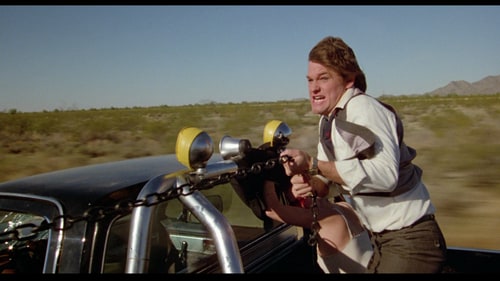
6 used car songs
Featuring music by Bobby Bare, David Rose and Dorothy Love Coates.
With the song, “Used Cars". Performed by Bobby Bare, with lyrics by Norman Gimbel and music by Patrick Williams.
As well as “The Stars and Stripes Forever” by John Philip Sousa.
Music composed by Patrick Williams
Running time: 113 mins
Number of songs: 6
Score length: 36 mins
Songs per average: 1 song for every 22 minutes
Score per average: 7.5 minutes
Music per average: 5.6 minutes
Most significant cue: The most significant music cue in Used Cars is "The Final Spurt" (alternatively combined in sequences like "Move 'Em Out / More Speed"), which scores the film’s iconic, chaotic 250-car stampede climax.
Also significant, “Used Cars March” and “Disco Stripper”.
Most significant song: The most significant song in Used Cars is "Used Cars" by country music legend Bobby Bare.
It was the only track from the movie intentionally produced and distributed to radio stations as a promotional tie-in single by Columbia/Sony Music.
Also significant is the uncredited use of the song “The Stripper” by David Rose.
Agent Kermit D. Fonz's rating:
 0
0
8.1
0
0
8.1
Rockshow (1980)

30 songs by Paul McCartney and Wings
23 Paul McCartney and Wings songs
5 The Beatles songs
Performed in Los Angeles, California, Seattle, Washington and New York City, New York
New York (May 25, 1976): 4 songs
Seattle (June 10, 1976): 5 songs
Los Angeles (June 22, 1976): 15 songs
Los Angeles (June 23, 1976): 6 songs
Running time: 103-225 mins
Number of songs: 20
Songs per average: 4 minutes and 10 seconds
Songs per minute: 0.24 songs per minute (or roughly one song every 4 minutes and 10 seconds
The Beatles per average: 25 minutes
The Beatles per minute: 0.04 Beatles songs per minute
Wings per average: 5 minutes and 26 seconds per song
Wings per minute: 0.18 minutes
Most significant The Beatles song: The most significant Beatles song in the film Rockshow is universally considered to be "Yesterday."
Positioned at the end of the acoustic segment, it serves as the ultimate nostalgia moment of the concert.
Film critics note that the cameras intentionally pan across the audience during this specific song to capture misty-eyed and spellbound fans witnessing a former Beatle play their most iconic ballad live.
Unlike the studio original which relied strictly on a string quartet, the Rockshowperformance features a unique live horn section arrangement that brings the song to a grand crescendo.
It serves as the final Beatles song played in the concert, effectively acting as the bridge that anchors the crowd before the band pivots back to close the movie with heavy Wings stadium rock hits like "Silly Love Songs" and "Band on the Run."
The most significant Wings song in Rockshow is "Band on the Run."
It serves as the ultimate climax of the concert's main set. It is widely considered the signature anthem of Paul McCartney's post-Beatles career, symbolizing his triumph in building a stadium-level band independent of his past.
The performance showcases the peak musical chemistry of the 1976 Wings lineup.
It seamlessly transitions through its three distinct sections, the moody synth opening, the acoustic acoustic bridge, and the explosive, horn-driven rock finale.
In the film, the camera work and lighting during this track are at their most dynamic.
The footage captures the intense energy of the crowd and features heavy focus on the dual guitar work of McCartney and Denny Laine.
Also significant is “Silly Loves Songs” and “Live and Let Die”.
 462
7.3
7.1
462
7.3
7.1
The Changeling (1980) (1980)

30 distinct music cues
Music composed by Rick Wilkins anc composed by Ken Wannberg and Howard Blake.
Running time: 107 mins
Length of score: 83 mins and 39 seconds
Music cues per average: 2 minutes and 40 seconds
Music cues per minute: 0.28 cues per minutes
Most significant cue: The most significant musical cue in The Changeling (1980) is the "Music Box Theme," composed by Howard Blake.
It acts as both a central plot device and the emotional core of the film's haunting.
Unlike standard background scores, the main character John Russell (George C. Scott)—who is a professional composer, is shown actively trying to "write" this very melody on his piano early in the film.
He believes it is an original composition coming from his own head.
The film's pivotal moment occurs when John discovers a hidden music box in the secret attic room. When he opens it, the mechanism plays the exact same lullaby.
This reveals that the ghost of the murdered boy, Joseph, has been telepathically implanting the melody into John’s mind to communicate with him.
The cue uses a simple, delicate, and innocent nursery-rhyme structure. This childlike simplicity contrasts sharply with the deep, rumbling, orchestral dread of the rest of the score.
Also significant is “The Music Box” and “Music Box Theme for a Piano.”
Agent Kermit D. Fonz's rating:
 498
7.6
7.7
498
7.6
7.7
Ordinary People (1980)

31 music cues
2 needle drops of classic music
Featuring "Canon in D" by Johann Pachelbe and “Hallelujah Chorus" (from Messiah) by George Frideric Handel.
Music composed by Marvin Hamlisch
Running time: 124 mins
Number of cues: 31
Cues per average: 1 minute and 20 seconds per mins
Music per average: 11.6 seconds of music per minute of screen time
The most significant musical cue in Ordinary People is Johann Pachelbel's "Canon in D Major," adapted and arranged by composer Marvin Hamlisch.
It serves as the film's main theme, recurring during pivotal moments of grief, isolation, and therapeutic breakthrough
The precise, mathematically rigid structure of the Baroque piece directly mirrors the suffocating, controlled, and "perfect" exterior of the upper-middle-class Calvin family.
As Conrad's emotional walls break down in therapy with Dr. Berger, the music shifts away from this rigid constraint, signalling his psychological healing.
Agent Kermit D. Fonz's rating:
 107
5.8
5.5
107
5.8
5.5
Battle Beyond the Stars (1980)
16 cue beyond the stars
27 music cues
Music composed by James Horner
Running time: 104-105 mins
Number of tracks: 27
Length of score: 62 minutes and 53 seconds
Music cue per average: 2 minutes and 19 seconds
Music cue minute: 0.60 minutes (36 seconds) of music for every 1 minute of film
Most memorable cue: The most significant music cue in Battle Beyond the Stars is the "Main Title" (often combined with "Epilogue / End Title" on official releases).
Followed by “Malmori Rear Guard" / "The Battle Begins" and “Gelt Dies (Gelt’s Death)”.
Agent Kermit D. Fonz's rating:
 36
5.6
5.4
36
5.6
5.4
Oh Heavenly Dog (1980)

3 Benji needle songs
Featuring performances by Paul McCartney and Wings and Elton John.
That being “Arrow Through Me”, “Song for Guy” and “Return to Paradise”.
Featuring music performed by Euel Box.
Running time: 104 mins
Number of needle drops: 3
Music cues per average: 20-45
Music per minute: 2.5 to 4 minutes
Most significant song: The most significant song cue in Oh! Heavenly Dog is "Arrow Through Me" by Wings.
While Elton John's "Song for Guy" plays a major role across the runtime, McCartney's track serves as the anchor for the film's entire musical framework.
The track was featured on Wings’ seventh and final studio album, Back to the Egg, released in June 1979.
Released as a US single in August 1979, the song peaked at number 29 on the Billboard Hot 100.
Agent Kermit D. Fonz's rating:
 556
7.2
7.1
556
7.2
7.1
Dressed to Kill (1980)

29 confirmed scores to kill
1 needs drop
Music composed by Pino Donaggio with the Orchestra Sinfonica Di Milano (Milan Symphony Orchestra) and conducted by Natale Massara who is a frequent collaborator with Donaggio.
With Shelly Carter performing “The Last Time ‘Til I Cry” which was written by Pino Donaggio and written by Brian Wells.
Running time: 92 mins
Number of songs cues: 29
Length of score: 51 minutes and 57 seconds (approximately 52 minutes)
Cues per average: 0.25
Music cue per minute: one music cue every 3.59 minutes
This exceptionally high cue frequency reflects Brian De Palma’s Hitchcockian filmmaking style.
Instead of relying on dialogue, he uses short, precise musical interventions to constantly manipulate the suspense and erotic tension.
Most significant music cue: The most significant and critically acclaimed musical cue in Dressed to Kill is "The Museum" (officially titled "The Museum" or "The Gallery" on soundtrack releases).
This sequence is widely considered one of the greatest technical achievements in Brian De Palma's filmmaking career, relying entirely on Pino Donaggio’s music to drive the narrative.
Agent Kermit D. Fonz's rating:
 284
5.7
5.4
284
5.7
5.4
Prom Night (1980)

6 prominent, original disco needle drops
22 music cues
Featuring performances by Gordean Simpson, Blue Blazer and Flint.
Music composed by Paul Zaza and Carl Zittrer.
Running time: 92 mins
Number of songs: 6
Music per average: 3.91 needle drops per hour
Score per average: 5.22 instrumental score cues per hour.
Most significant cue: For the original Prom Night slasher film starring Jamie Lee Curtis, there are 6 prominent, original disco needle drops used to score the high school prom sequences.
These original songs were composed and recorded by the film's composers, Paul Zaza and Carl Zittrer, specifically to sound like major radio hits of the era without having to pay expensive licensing fees for real mainstream pop music
This specific 2-minute-and-18-second piece serves as the structural foundation for the movie's horror elements and stands out for its direct impact on the franchise.
The track defines the auditory identity of the killer with its aggressive, sharp, descending string arrangements. It heavily mimics the iconic, high-pitched slasher tension popularized by Psycho and Friday the 13th.
It is the only instrumental cue from the original film that composer Paul Zaza intentionally resurrected and repurposed for the later Hamilton High sequels, including Prom Night III: The Last Kiss and Prom Night IV: Deliver Us From Evil.
The motif from this track is so central to the movie's pacing that it was rearranged into alternative takes like "Prom Night Suspense Theme" and "Eerie" to back up the killer's point-of-view tracking shots.
Also memorable is “Prom Night Cello Theme" and “Beach Flashback“.
Agent Kermit D. Fonz's rating:
 293
6.1
6.2
293
6.1
6.2
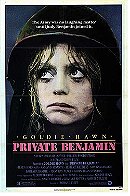
Private Benjamin (1980)

5 private army needle drops
24 music cues
Music composed by Bill Conti, and music performance by Sister Sledge of the song “We are Family” along more traditional songs.
Running time: 110 mins
Length of score: 35 mins
Needle Drops Per Minute: 0.045
Needle Drops Per Hour: 2.73
Cues Per Minute: 0.21
Cues Per Hour: 13.09
Most significant song and cue: The most significant song in Private Benjamin is "We Are Family" by Sister Sledge.
While Bill Conti's military marches provide the backbone of the movie, this specific 1979 disco pop hit serves as the ultimate turning point for the characters and the plot.
If looking strictly at Bill Conti's original score, the standout piece is the "End Title March."
This closing cue brings the entire film full circle.
As Judy famously walks away from her wedding in France—finally choosing her own independence over a bad marriage—Conti hits the audience with a triumphant, swelling brass-and-drum march.
It subverts traditional romantic comedy endings by treating her single hood as a massive military victory.
Agent Kermit D. Fonz's rating:
 798
6.7
6.8
798
6.7
6.8
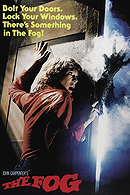
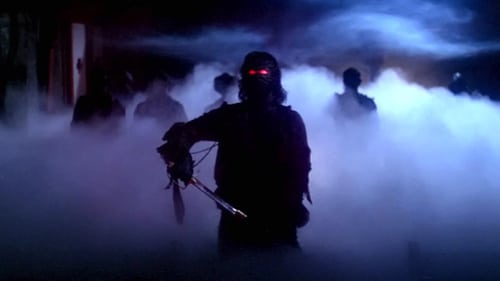
The Fog (1980)
13 needle drops
25-30 fog music cues
Music performances by David Lindup, Steve Gray, Robert Cornford, Harold Gold, Alan Moorhouse, Giancarlo Gazzani and Alan Hawkshaw
Music composed by John Carpenter and Alan Howarth
Running time: 89 mins
Length of score: 34 to 42 minutes
Number of cues: 25-39
Number of needle drops: 15
Music cues per average; 2 to 2.5 minutes
Radio drops per average: 6.8 minutes on average
Most significant cue: The most significant cue in The Fog is the Main Title / Prologue theme (often tracked on albums as "The Fog" or "Theme from The Fog").
It is the musical backbone of the entire film for several critical reasons.
As mentioned, the film features zero score for the first 25 minutes. This track breaks that silence, instantly shifting the film from a slow-burn mystery into a driving supernatural thriller
It plays directly over the title card as the clock strikes midnight and the ghostly glowing fog begins its approach across the ocean toward Antonio Bay.
Carpenter composed the theme in an unsettling, driving 5/4 time signature, mimicking a tense, uneven heartbeat.
It utilizes a stark, cascading piano melody layered over a heavy, droning sequential baseline from a Sequential Circuits Prophet-5 .
This specific cue established the minimalist, electronic "slasher wave" template that defined 1980s horror cinema, second only to Carpenter's own Halloween theme.
Agent Kermit D. Fonz's rating:
 102
6.2
6.1
102
6.2
6.1
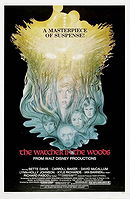
The Watcher in the Woods (1980)

20-25 watching in woods music cues
Music composed by Stanley Myers
Running time: 84 mins
Length of score: 35-40 mins
Music per average: 1 to 2 mins
Cues per average: 25-30 mins or 60 seconds
Most significant cue: The most significant musical cue in the film is the Opening Main Title Theme, which famously establishes the movie's entire eerie atmosphere.
This specific track stands out as the most critical piece of the score for three reasons:
The cue opens with a chilling, solo music box melody. Stanley Myers used this specifically to represent the innocence of Karen, the little girl who vanished 30 years prior.
As the camera shifts into a first-person "stalker-cam" point of view looking through the trees, the music box is suddenly overtaken by a low, electronic wailing sound. This signature sound effect represents the presence of the "Watcher."
This specific melody is the only piece of instrumental score that repeats consistently throughout the film, acting as a warning to the audience that something supernatural is actively watching the characters.
Also significant, is the Seance Climax theme.
Agent Kermit D. Fonz's rating:
 558
5.4
5.3
558
5.4
5.3
Caligula (1979)
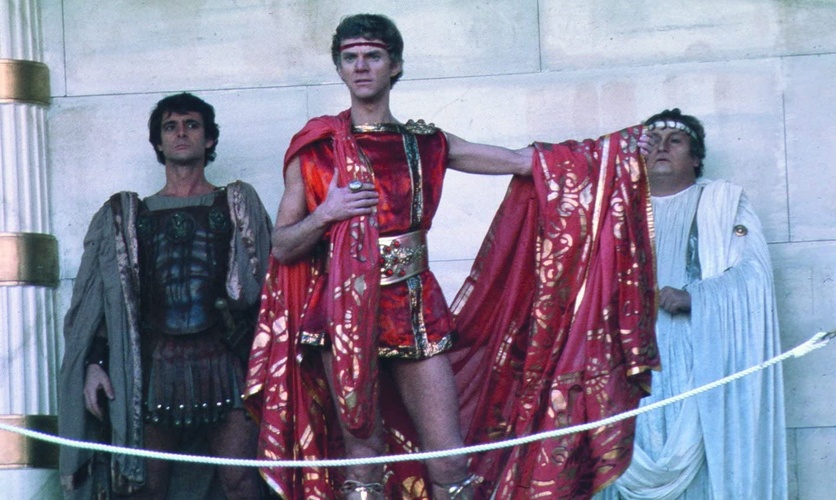
3 classical music drops
36 confirmed music tracks
Featuring “Adagio of Spartacus and Phrygia" by Aram Khachaturian, “Dance of the Knights" (Romeo and Juliet) by Sergei Prokofiev and “Cinderella's Waltz" by Sergei Prokofievl.
Music composed by Bruno Nicolai
Running time: 102-172 mins
Length of score: 45 to 50 mins - 45 to 50 minutes
Number of cue: 36
Music per average: 45 to 50 seconds - 1 hour, 32 minutes, and 23 seconds
Cues per minute: 0.15 - 0.24 minutes
Most significant cue: The most significant musical cue in the original 1979 cut of Caligula is the "Adagio of Spartacus and Phrygia" from the Spartacus ballet, composed by Aram Khachaturian.
In the 2023/2024 Ultimate Cut, where all the classical music was stripped away, the most significant cue shifts to Troy Sterling Nies's "Main Title / The Emperor is Dead". This
A heavy, atmospheric original composition sets the dark, historically grounded tone for the entire reconstructed version of the film.
Agent Kermit D. Fonz's rating:

 1351
5.5
5.8
1351
5.5
5.8
The Blue Lagoon (1980)

30 stranded island music cues
Music composed by Basil Poledouris with Australian Symphony Orchestra and conducted by Greig McRitchie
Running time: 104 mins
Number of music cues: 30
Length of score: 56 minutes and 7 seconds
Cues per average: 0.53 cues per minute
Average cue length: 1 minute and 52 seconds
Most significant cue: The most significant cue in The Blue Lagoon is the "Love Theme" (also known as "Emmeline").
It is the emotional anchor of the entire film and the melody most associated with Basil Poledouris's masterpiece.
“Main Title” and “The Horned Toad" / "The Hand of God" are also considered to be significant as well.
Agent Kermit D. Fonz's rating:
 62
6.4
7.1
62
6.4
7.1

5 Charlie Brown needle drops
20-25 needle drops
Performed by Les Brown and His Band of Renown featuring vocals by Doris Day and Harry James and His Orchestra featuring vocals by Kitty Kallen.
That being World War II and 1950’s standards “Sentimental Journey” and “"It's Been a Long, Long Time". And the year 1945, which is when the war ended.
As well as “Rum and Coca-Cola" and “I'll Be Seeing You", which were performed by the Andrews Sisters and an instrumental version of the later.
As well as "I Want to Remember This" (Main Theme) which was performed by Becky Reardon and an instrumental score by Ed Bogas and Judy Munsen.
Running time: 76 mins
Number of needle drops:
Number of music cues: 20-25
Songs per average: 15.2 minutes
Music per average: 38 minutes
Most significant cue: The most significant and heavily repeated musical cue in Bon Voyage, Charlie Brown is the "Chateau Motif" (often referred to by fans and score restorers as the "Mystery Theme" or the "Linus Sneaking" cue).
Composed by Ed Bogas and Judy Munsen, this specific tracking cue serves as the backbone of the film's shift in tone. It stands out significantly for several reasons.
Unlike traditional Peanuts music, this cue is built around an eerie, rhythmic bass groove paired with a distinct, muted electric guitar effect that creates a signature "waaah-waaah" weeping sound.
It is used to drive the mystery home whenever characters explore the Chateau du Mal Voisin.
Agent Kermit D. Fonz's rating:
 297
7
6.4
297
7
6.4
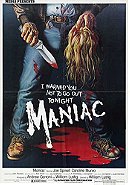
Maniac (1980)
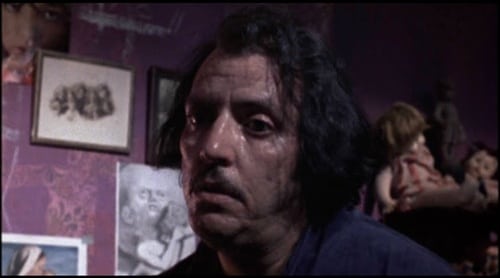
4 maniac songs!
16 music cues
Featuring music performed by Don Armando's 2nd Avenue Rhumba Band and Gino Bramier.
Music composed by Jay Chattaway and Pete Levin
Running time: 87 minutes
Number of songs: 4
Number of cues: 14
Length of score:
Minutes Per Song: An average of 1 song every 21.75 minutes of screen time.
Songs per average: 0.05 songs per minute
Most significant cue: The most significant cue in the 1980 film Maniac is "Maniac's Theme (Main Titles)". It establishes the entire sonic identity of the film.
Also significant is “Subway Terror" and “Mannequins' Revenge.
It also featured the Oberheim 6-voice synthesizer, as programmed by Pete Levin.
People often associate the title Maniac with Michael Sembello’s massive 1983 hit pop song, "Maniac".
While Sembello and songwriter Dennis Matkosky were initially inspired by the gritty imagery of this 1980 horror film, the song itself was ultimately used as a major needle drop in the 1983 dance movie Flashdance, not the 1980 slasher.
Agent Kermit D. Fonz's rating:
 6598
8.2
8.4
6598
8.2
8.4
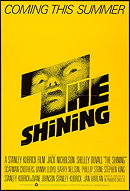
The Shining (1980)

35–42 creepy hotel music cues
2 Original Electronic Cues
5 Diegetic Needle Drops
Featuring performances by György Ligeti, Krzysztof Penderecki, and Béla Bartók.
As well as Ray Noble & His Orchestra, featuring Al Bowlly, Henry Hall & His Gleneagles Hotel Band and Jack Hylton & His Orchestra.
Music composed by Wendy Carlos and Rachel Elkind
Running time: 144 mins
Number of cues: 35-42
Music cue per average: Approximately 55 to 60 minutes
Avant-Garde Classical Blocks: Roughly 40 to 45 minutes
Diegetic 1920s/30s Needle Drops: 10 mins
Wendy Carlos Electronic Score: 5 minutes
The most significant musical cue in The Shining is the electronic Main Title by Wendy Carlos and Rachel Elkind, which adapts the medieval funeral chant "Dies irae", alongside Krzysztof Penderecki’s avant-garde orchestral piece "Utrenja" and the 1930s jazz standard "Midnight, the Stars and You".
Main Title Theme: Synthesizer adaptation of the 13th-century "Dies irae" ("Day of Wrath") melody, setting an immediate tone of doom during the opening car ride through the Rocky Mountains.
Penderecki’s "Utrenja" / "The Awakening of Jacob": Discordant, terrifying modern classical string textures used during major psychological breakdown moments and eerie hallway visions.
“Midnight, the Stars and You" by Ray Noble & Al Bowlly: The haunting 1930s ballroom jazz track that plays during the ghostly party flashback and over the final zoom-in on the 1921 photograph.
Also, the use of Custom Moog Modular Synthesizer, The Circon (Circular Controller), Long Tape Delay and Rachel Elkind’s Vocoder.
Agent Kermit D. Fonz's rating:
 2505
8.1
8.1
2505
8.1
8.1
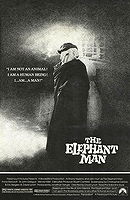
The Elephant Man (1980)

11 music cues
10 original song cues
1 orchestral needle drop
That being Man: Samuel Barber’s "Adagio for Strings". You might remember it, from the use in the Oliver Stone film, Platoon.
Music composed by long time Mel Brooks collaborator, John Morris, with the National Philharmonic Orchestra.
The conductor are Jack Hayes, who conducted’x Morrs’ score. And André Previn conducted the specific pre-recorded performance used in the film's climax of the film of “Adagio for Strings”.
Running time: 124 mins
Length of score: 40 mins
Number of music song cues: 11
Cues per average: 1 music cue every 11.3 minutes
Music cue per minute: 11.27 mins
This low frequency reflects David Lynch’s deliberate choice to leave large sections of the film completely devoid of traditional music.
Instead, he fills the long gaps with Alan Splet’s famous, oppressive industrial ambient sound design.
Most significant score: The most significant and celebrated piece of music in The Elephant Man is "The Elephant Man Theme", custom-composed by John Morris.
While Samuel Barber's "Adagio for Strings" provides the film's crushing emotional climax, Morris's original title theme carries the narrative weight of the movie, earning an Academy Award nomination for Best Original Score.
Mel Brooks, who produced the film, often cited it as Morris's finest work.
Agent Kermit D. Fonz's rating:
 166
6.3
6.6
166
6.3
6.6
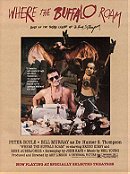
Where the Buffalo Roam (1980)

7 Gonzo songs
14 Buffalo Stomping tunes
Featuring music by Neil Young
The Jimi Hendrix Experience, The Temptations, Bill Murray, Bob Dylan, Four Tops, Creedence Clearwater Revival and Jimi Hendrix
Running time: 99 mins
Music cues per average: 1 music cue every 7 minutes (or roughly 0.14 cues per minute)
Music per average: Approximately 23 seconds of music
Length of score: 9 minutes and 35 seconds
Gonzo Young score average: y 5.7 seconds of score per minute
Most Gonzo song: The "most Gonzo" song on the Where the Buffalo Roam soundtrack is "Purple Haze" by Jimi Hendrix.
Its placement perfectly captures the chaotic essence of Hunter S. Thompson’s Gonzo journalism.
Agent Kermit D. Fonz's rating:
 143
6.4
6.1
143
6.4
6.1

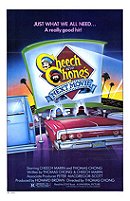
13 “Hey! Man!” songs
6 Cheech and Chong far out mans
7 licensed songs, man
Music performances by Cheech Marin & Tommy Chong, Rikki Marin, Edie McClurg & Betty Kennedy, The Champs, The Village People, The Pretenders, Ray Charles, Hall & Oates, Wynonie Harris and Joe Huston
Running time: 95-99 mins
Number of cues per Far Out: 0.14 music cues per minute.
Far out songs: roughly every 7 minutes and 13 seconds
Man music per Dude average: Approximately 15 seconds of music per minute
Cheech and Chong per bong: 4.6 seconds of music per minute of screen time
Most bonged song: The most significant song in Cheech and Chong's Next Movie is "Mexican Americans" by Cheech Marin and Tommy Chong.
Agent Kermit D. Fonz's rating:
 585
6.8
6.9
585
6.8
6.9
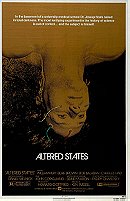
Altered States (1980)

9 altered musical tune outs
33 music cues
Altered music by John Corigliano
Running time: 103 mins
Score length: 40 minutes and 24 seconds
Cues per average: 1 music cue every 3 minutes and 7 seconds
Music per minute: 23.5 seconds of music per minute
Score length: s 40 minutes and 24 seconds
Most significant cue: The most significant cue in Altered States is the "First Transformation" sequence.
This cue introduces John Corigliano's famous "oscillation technique," where the woodwinds and strings rapidly alternate between microtonal pitches to sonically mimic the physical vibration and mutation of Jessup's flesh.
The cue builds a massive, terrifying wall of sound that suddenly drops into total silence at the exact moment the isolation tank door opens, creating one of the most jarring cinematic jumps of 1980.
This specific sequence was widely cited by critics and Academy voters as the primary reason the film received its Oscar nomination for Best Original Score, demonstrating how music could perfectly synchronize with complex psychological visual effects.
Agent Kermit D. Fonz's rating:
 2259
8.1
8.1
2259
8.1
8.1
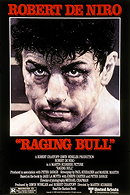
Raging Bull (1980)
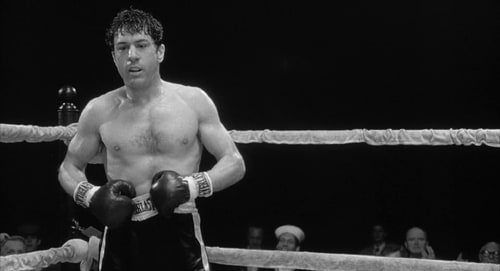
17 licensed songs
35 overall music cues
Performances include Pietro Mascagni (Intermezzo from Cavalleria Rusticana), Ella Fitzgerald, The Ink Spots, Benny Goodman, and Harry James.
The music producer for the film, was none other than Robbie Robertson, former singer and guitarist for The Band and Martin Scorsese being the director of the rock concert film “The Last Waltz” was chronicled the last live performance of The Band.
Robertson would later be the composer for the film, “The Colour of Money”.
Running time: 129 mins
Number of cues: 35
Cues per average: 1 cue every 3.69 minutes
Length of score: 2 hours and 5 minutes
Most significant cue: The most significant music cue in Raging Bull is the Intermezzo from Cavalleria Rusticana, composed by Pietro Mascagni.
It is widely considered one of the most iconic uses of music in cinema history.
Agent Kermit D. Fonz's rating:

 2112
7.2
7.7
2112
7.2
7.7
Airplane! (1980)

6 high flying songs
28 music cues
Performances by The Bee Gees, John Williams, Notre Dame Marching Bsnd, Lorna Patterson:, Maureen McGovern and Rthal Merman
Music composed by Elmer Bernstein and featuring The Royal Philharmonic Orchestra
Running time: 87 mins
Number of needle drops: 6
Number of music cues: 28
Length of score: 37 to 40 minutes of music
Music cues per average: 1 music cue every 3.8 minutes
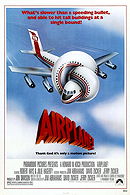
Most significant cue: The most significant music cue in Airplane! is the Main Title, which functions as the film's defining stylistic joke.
The very first notes heard over the opening credits are the iconic, low-register brass notes from John Williams' Jaws theme.
Instead of a shark fin cutting through water, the camera tracks the fin of a commercial airplane gliding through a sea of clouds.
Composer Elmer Bernstein deliberately wrote a tense, sweeping, and bombastic symphonic arrangement. It treats the absurd comedy as a highly dramatic, prestigious disaster thriller.
This juxtaposition established the "play it straight" rule that made the movie's comedy style legendary.
“Stayin’ Alive” by The Bee Gees, and “The Notre Dame March” are way up there, too.
Agent Kermit D. Fonz's rating:
 120
5.7
6.3
120
5.7
6.3
Urban Cowboy (1980)

Number of songs: 19
Music composed by: Ralph Burns
Featured performances by Eagles, Boz Skaggs, Anne Murray, The Charlie Daniels Band, Mickey Gilliey, J.D Souther, Kenny Rogers, Bob Seger, Dan Fogelberg, Joe Walsh, Bonnie Riatt, Jimmy Buffett, Linda Rondstadt and Mickey Gilley’s Urban Cowboy Band.
Running time: 134 mins
Number of songs: 19
Music cues per average: 66 minutes and 12 seconds
Music score per average: 5-10 minutes
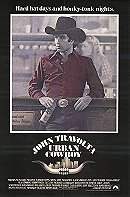
Most significant songs: The most significant song in Urban Cowboy is "Lookin' for Love" by Johnny Lee, which served as the movie's signature anthem and became a massive cultural phenomenon.
Discovered by Lee in a cardboard box of discarded demo tapes, the track spent three weeks at No. 1 on the Billboard Hot Country Singles chart and crossed over into the Pop Top 5, driving the triple-platinum soundtrack's commercial dominance.
Others include “Stand By Me" by Mickey Gilley, “ Could I Have This Dance" by Anne Murray, “The Devil Went Down to Georgia" by the Charlie Daniels Band and “Look What You've Done to Me" by Boz Scaggs.
Just as the soundtrack for Saturday Night Fever was a boost to disco music so was Urban Cowboy for pop country and country music.
Agent Kermit D. Fonz's rating:
 183
6
6.2
183
6
6.2
Any Which Way You Can (1980)

12 distinct country, pop, and blues songS
1 instrumental track
20 music cues
Music performances by Clint Eastwood, Ray Charles, David Frizzell & Shelly West, Sandra Locke, Jim Stafford, The Texas Opera Company, John Durill, Cliff Crofford, Joe Watson and Fats Domino
Music composed by Steve Dorff and Snuff Garrett
Running time: 116 mins
Cues per average: 1 music cue every 5 minutes and 48 seconds
Music per minute: 16 seconds of music per minute of screen time
Music per average: 2 minutes and 17 seconds.
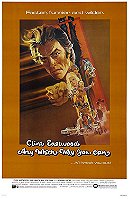
Most significant song: The most significant music cue in Any Which Way You Can is "You're the Reason God Made Oklahoma" by David Frizzell and Shelly West.
While Glen Campbell's title track served as the commercial single.
The song became a massive cultural phenomenon independent of the film, soaring to #1 on the Billboard Hot Country Singles chart and cementing itself as an iconic country music standard of the 1980s
 128
5.5
5.2
128
5.5
5.2
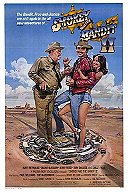
Smokey and the Bandit II (1980)

12 Country songs to drive to.
Music to drive by Jerry Reed, Don Williams, The Statler Brothers, Don Williams, Roy Rogers & The Sons of the Pioneers, Tanya Tucker, Mel Tillis, Brenda Lee, and Burt Reynolds
Music composed by Snuff Garrett, Al Capps and written by Jerry Reed
Running time: 101 mins
Cues per average: 1 music cue every 4 minutes and 35 seconds
Score length: 31 minutes and 59 seconds
Music per average: 31 minutes and 59 seconds
Jerry Reed per minute: 1.3 seconds of music per minute
Most significant song: The most significant song in Smokey and the Bandit II is "Texas Bound and Flyin'" by Jerry Reed.
It stands out as the anchor of the entire film for three major reasons:
The song serves as the spiritual and narrative successor to "East Bound and Down" from the original 1977 film.
It establishes the shift in the plot’s geography as the characters take on a new trucking challenge across Texas.
It acts as the musical identity for the sequel, playing over key montage sequences and driving the high-energy pacing of the film's promotional trailers and marketing campaigns.
Because Jerry Reed pulls double duty as both the composer and the co-star playing "The Snowman," the high-tempo country anthem directly mirrors his character's energetic, truck-driving personality on screen.
Agent Kermit D. Fonz's rating:
 50
7.2
6.6
50
7.2
6.6
Times Square (1980)
 21 punky new wave songs in film
 Performances by The Ramones, The Clash, Patti Smith Group, The Cure., Talking Heads, Gary Numan, Joe Jackson, XTC, Lou Reed, Roxy Music, David Johansen (of the New York Dolls), and Suzi Quatro
Also, The Ruts, and The Cars as well as stars Robin Johnson and Trini Alvarado.
Running time: 111 mins
Songs per average: 3 minutes and 50 seconds.
Music per minute 1 hour and 32 minutes
Most significant songs: Rock Hard" is the opening track of the 1980 Times Square soundtrack album.
Written by the legendary songwriting duo Mike Chapman and Nicky Chinn, the track serves as a heavy, driving rock anthem featuring Suzi Quatro's signature gritty vocals and low-end bass.
The single was an enormous commercial hit in Australia, where it reached Number 9 on the charts and achieved Platinum status.
It saw more modest performance elsewhere, peaking at Number 26 in Germany, Number 68 in the United Kingdom, and Number 68 on the US Billboard Hot 100.
 281
6.8
6.9
281
6.8
6.9
Nine to Five (1980)

2 songs performed by Dolly Parton
12 instrumental tracks
14 overall on soundtrack
Music written by Dolly Parton and composed by: Charles Fox
Music performed on soundtrack and in film, by Dolly Parton.
Running time: 110 mins
Songs per average: 0.13 tracks per minute
Song per minute: 7 minutes and 51 seconds
Most significant song: The most significant song in 9 to 5 is the iconic title anthem "9 to 5" written and performed by Dolly Parton.
It is widely considered one of the most culturally influential movie theme songs of all time, serving as both the musical centerpiece and the literal heartbeat of the film.
The song was a massive commercial success, hitting Number 1 on the Billboard Hot 100, the Adult Contemporary chart, and the Hot Country Songs chart simultaneously.
Agent Kermit D. Fonz's rating:
 82
6.6
6.1
82
6.6
6.1
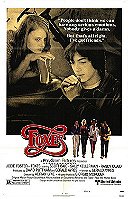
Foxes (1980)

16 songs in film
7 vocal songs in film
5 instrumental music: 5
4 Number of songs in film not soundtrack
Songs written and composed by Giorgio Moroder and Keith Forsey and others.
Musicians who performed in film and soundtrack: Donna Summers, Angel, The Beckmeier Brother, Bob Seger, Janis Ian, Brooklyn Dreams, Cher, Keith Forsey and Boston
Running time: 106 mins
Number of song: 16
Songs per average in film: 6.6 songs
Songs per minute: 6 minutes and 37 seconds
Most significant song: The most significant song in Foxes is "On the Radio" performed by Donna Summer.
Unlike the other tracks, "On the Radio" became a monumental commercial success outside the cinema. It hit #5 on the US Billboard Hot 100 and was certified Gold.
It remains one of Donna Summer's signature hits and is widely regarded as a defining track of the disco-to-synth-pop transition era.
 568
6.4
6.5
568
6.4
6.5
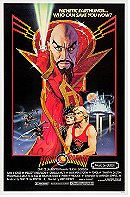
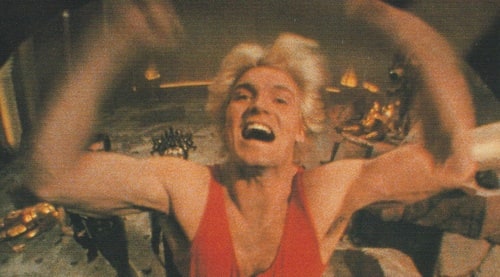
Flash Gordon (1980)
2 songs in film
16 instrumental music
18 songs on soundtrack
Composed and performed by Queen and Howard Blake
Running time: 114 mins
Songs per average in film: 0.16 mins
Songs per average: 6.33 mins
Most significant song: The most significant song in the film is "Flash's Theme" (released as the commercial single "Flash"), written by Queen guitarist Brian May.
It plays over the movie's opening credits and introduces the campy, operatic tone of the entire film.
It was the only commercial single released from the album, peaking at #10 on the UK Singles Chart and #3 in Germany and featured in the films Ted and Blades of Glory.
Agent Kermit D. Fonz's rating:
 9
5.9
6
9
5.9
6
One-Trick Pony (1980)

10 Paul Simon songs
13 songs in film
Including the B 52’s and Rock Lobster! Also included Sam & Dave, The Lovin' Spoonful and Kris Kristofferson and Fred Foster.
Music written and performed by Paul Simon
Run time: 98 mins
Songs per average: 0.13 mins
Songs per average: 7.5 minutes
Most significant song: The most significant song in One-Trick Pony is "Late in the Evening", which served as the soundtrack's commercial anchor and reached number 6 on the Billboard Hot 100 chart.
“Soft Parachutes” and “Ace in the Hole” are also significant.
 77
7.4
6.5
77
7.4
6.5
Little Darlings (1980)
8 confirmed songs in film
Music composed by Charles Fox
Songs performed by Blondie, Iain Matthews, The Bellamy Brothers. Rickie Lee Jones, John Lennon and Stephen Bishop and Armand Asante
Running time: 95 mins
Songs per average: 0.08 mins
Songs per minute: 1 song every 12 minutes
Most significant song: love flowLet Your Love Flow by the Bellamy Brothers is widely considered the ultimate defining musical moment of Little Darlings.
Written by Larry E. Williams, the track was originally released in January 1976 and became a massive international hit, eventually topping the Billboard Hot 100 chart in May of that year.
Agent Kermit D. Fonz's rating:
 242
7.1
7.5
242
7.1
7.5
Coal Miner's Daughter (1980)
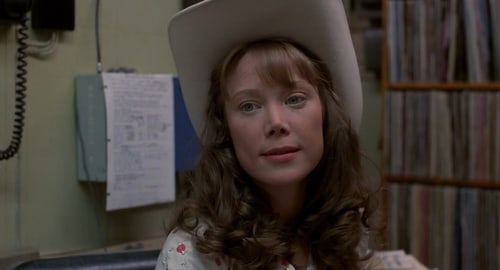
14 songs on soundtrack
14 songs in film
Music and performances by Sissy Spacek, Beverly D'Angelo, Levon Helm and others. And Ernest Tubb, Red Foley and Kitty Wells.
Running time: 124 mins
Number of songs: 14
Songs per average in film: 0.17 mins
Songs per minute: 6 minutes
Most significant song: The most significant song in the film is "Coal Miner's Daughter".
Written by Loretta Lynn and released in 1970, it serves as the biographical anchor, the emotional climax, and the literal title of the entire movie.
Agent Kermit D. Fonz's rating:
Load more items (87 more in this list)


 RSS Feed
People who voted for this also voted for
Hot Actresses, Models, Singers, etc. (Part 13)

2025 Academy Museum Gala.
French beauties

Jasmine May Selection

Hot TV Hosts, Presenters and Journalists,108 Lists

Beautiful Female Activists and Advocates, Part 10

Ladies of Stagecoach 2026

Beauty Sanna Marin, Former Finnish Prime Minister

Nominated For An Acting Oscar Yet Never Won
Beautiful Evika Silina, prime minister of Latvia

Ode to Beauty

Beautiful Maia Sandu, President of Moldova

Hot Actresses, Models, Singers, etc. (Part 11)

Beautiful TV Hosts, Presenters and Journalists, 7

Favorite Person

More lists from Agent Kermit D. Fonz
Horror Film Kill Counts

Favorite Thrillers: 1984
Favorite Horror Films: 2018

Pros and Cons of Films: Vol. 1

Leatherface vs.

The Essential Albums of 1961

Essential Albums: 1990’s
