

 Login
Login

Queen Nzinga
 Add image to section
Queen Nzinga
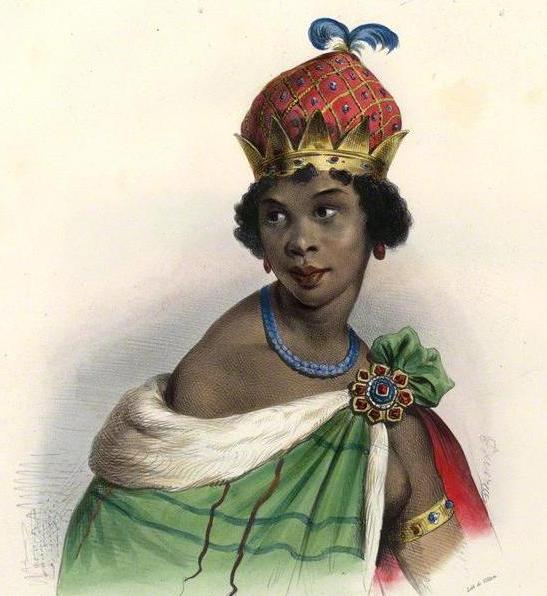
In the late 16th century Portuguese traders and missionaries began to colonize the Central African coast. They established a port city at Luanda, present-day Angola, in 1575. Although relations between the Portuguese and the kingdom of Ndongo were peaceful at first, the Portuguese soon began to develop Luanda as a centre for the slave trade, breaking their agreement with Ndongo's rulers. They raided Central African kingdoms, seizing control and taking people captive as slaves. One leader who fiercely resisted them was Queen Nzinga of Ndongo (1581–1663). A skilled politician, negotiator and military leader, she worked all her life to protect her kingdom from Portuguese colonization.
Early life
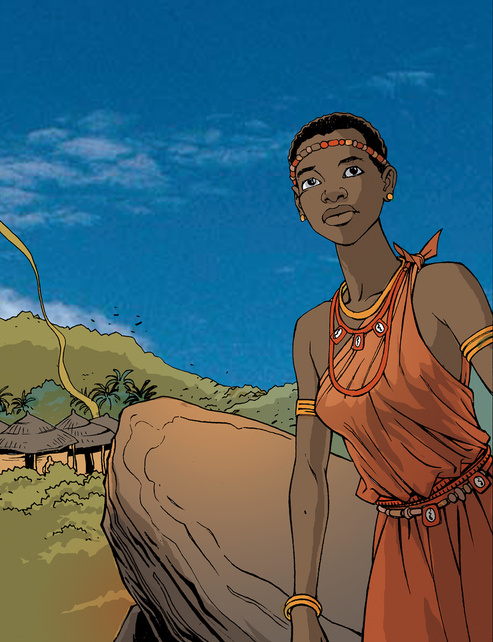
Nzinga Mbande was born in 1581 in Kabasa, the capital of the kingdom of Ndongo. She was born into a ruling family: her father, grandfather and great-grandfather had all been ngolas, kings of Ndongo. Nzinga learned to read and write as a child, and as she grew older she accompanied her father, the king, as he carried out his duties. She even fought in battle alongside him while she was still a girl.
Add image to section
Kingdom of Ndongo
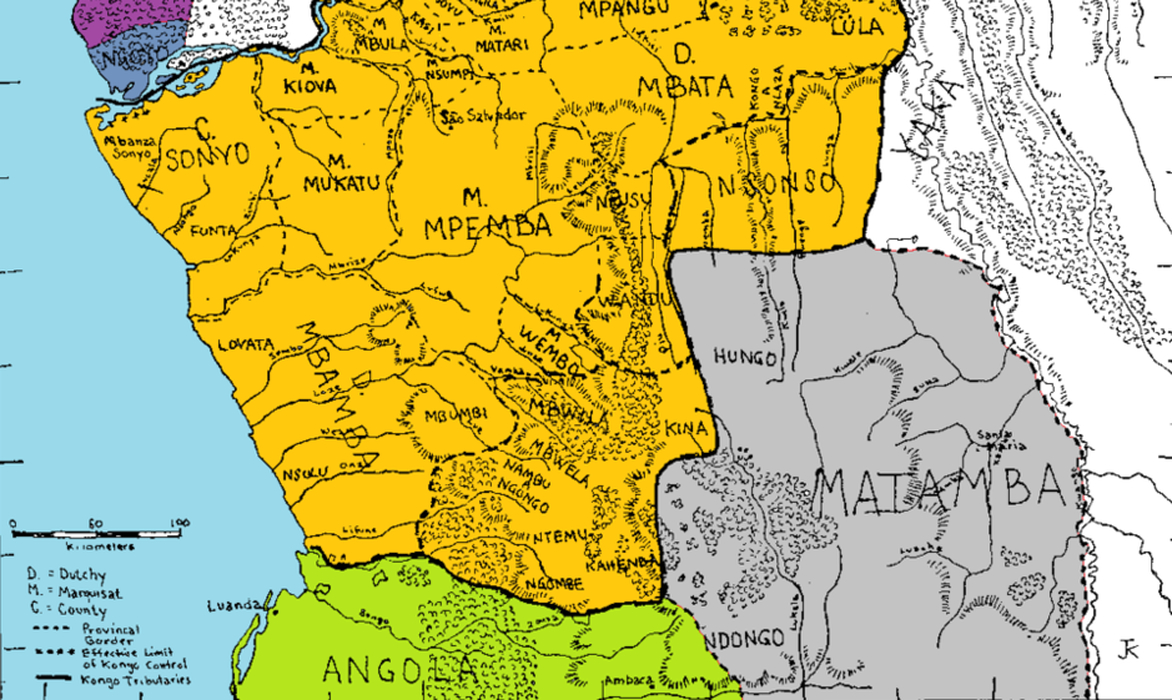
Nzinga's homeland was Ndongo, the kingdom of the Mbundu people. Earlier in the century, the kingdom had stretched the length of the River Cuanza, from the eastern highlands around Kabasa to the Atlantic coast. But by the time Nzinga was born, Ndongo had come under attack by the Portuguese. Having already claimed the coast as a colony, the Portuguese were seeking more territory inland.
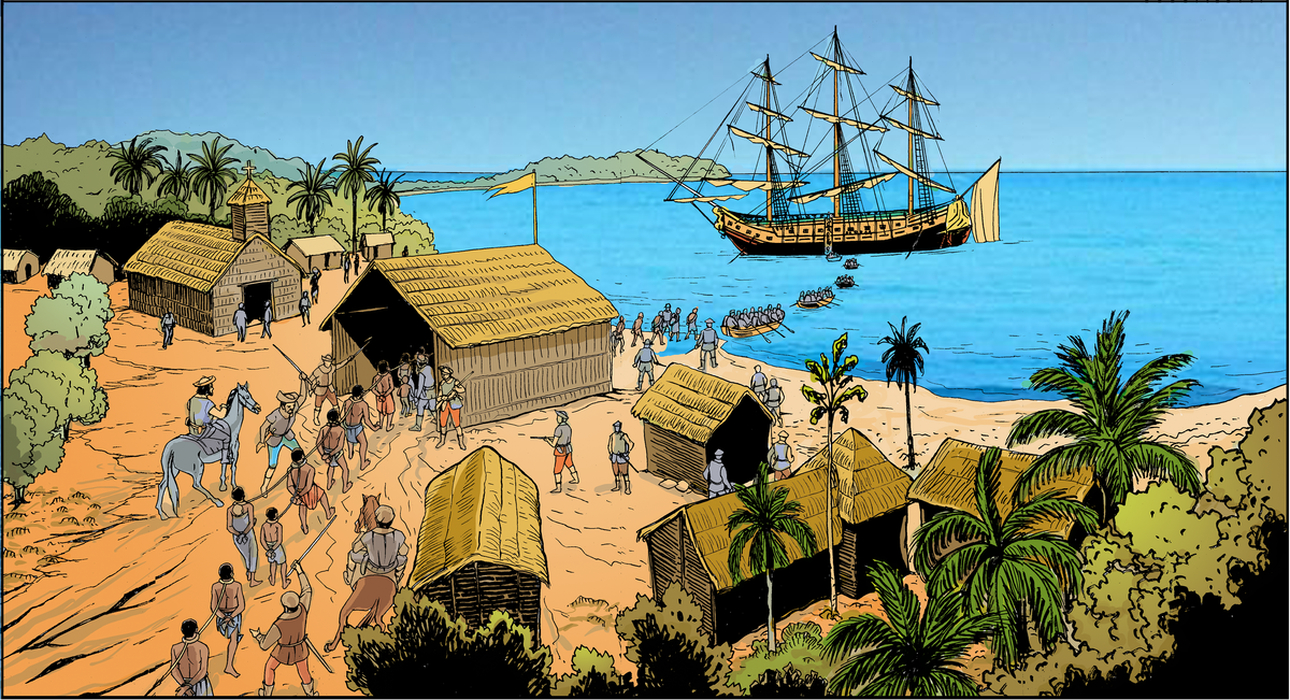
During his reign, Nzinga’s father agreed that Ndongo would trade peacefully with the Portuguese on the condition that they did not enslave the Mbundu people. However, when the king died in 1617 the Portuguese stopped honouring the agreement. They invaded Ndongo and began taking Mbundu people captive as slaves. Within just two years they made Luanda one of the biggest slave-trading ports in all of Africa. The kingdom of Ndongo was severely weakened, and famine spread through the land.
Add image to section
Peace treaty
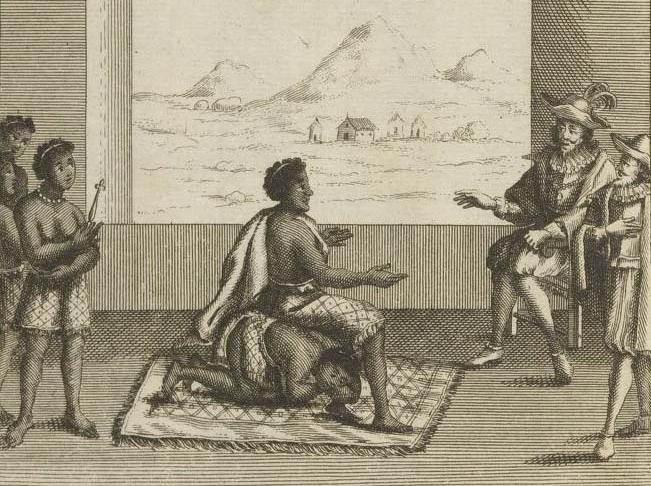
Nzinga's brother, Ngola Mbande—the new king—sent Nzinga to negotiate a peace treaty with the Portuguese governor. Nzinga demanded that the Mbundu people be freed from slavery, and that Ndongo should be recognized as a kingdom with its borders respected. In return, she agreed to allow the Portuguese access to trade routes. She even agreed to convert to Christianity to help mend peace relations.
Add image to section
Becoming queen
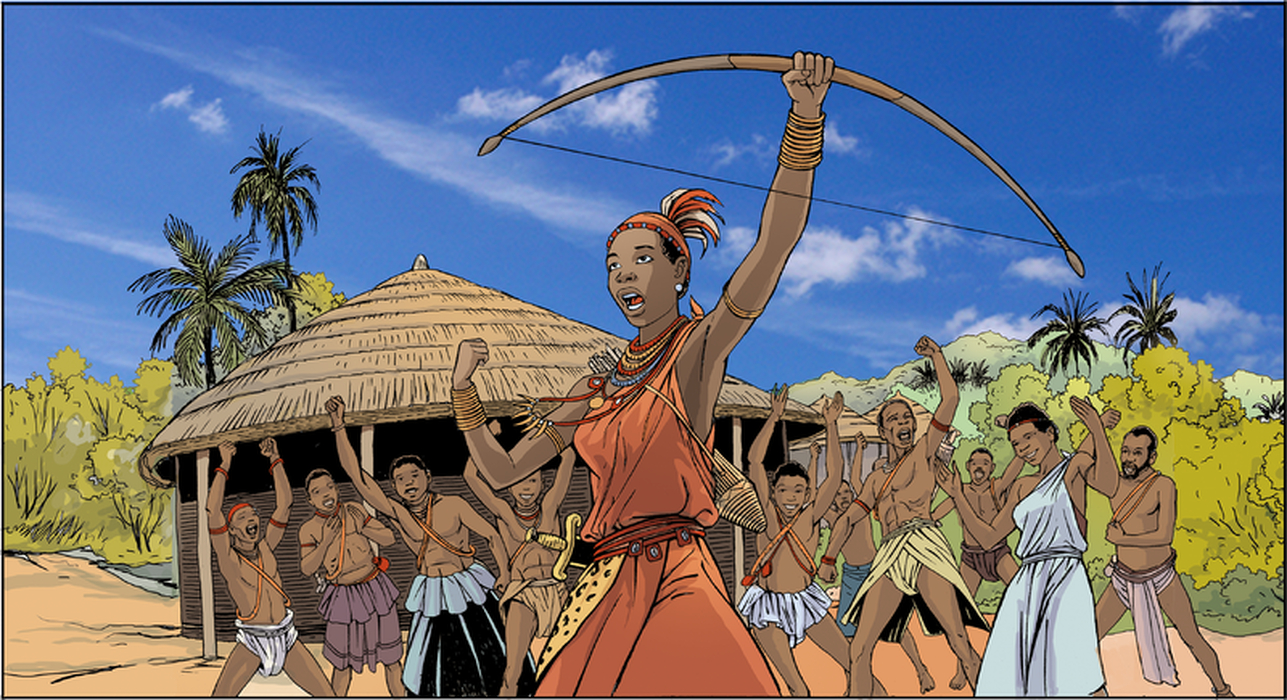
Working with the Portuguese helped to protect Ndongo from attacks by neighbouring kingdoms, and kept trade routes open. But by 1626 the Portuguese demand for slaves was rising once again, and they once again broke the peace agreement Nzinga had negotiated. In the same year, after her brother died in mysterious circumstances, Nzinga became queen of Ndongo.
Add image to section
Queen of two kingdoms
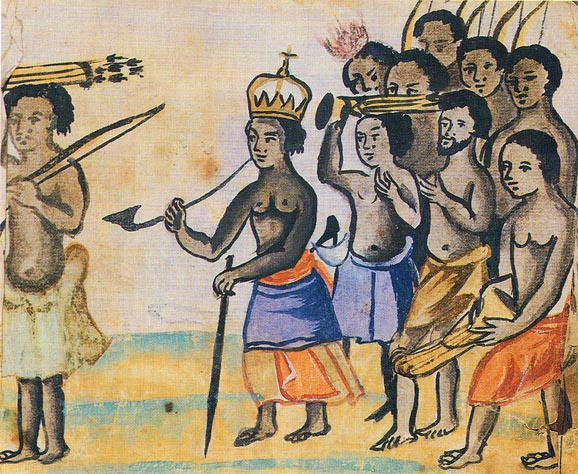
The Portuguese ordered the new queen to leave Ndongo, and refused to recognize her as its ruler. Nzinga was forced to flee to Matamba, a neighbouring kingdom which had a history of female rulers. Ruling both Matamba and Ndongo, she continued to plot strategies that would overturn Portuguese rule. Under Queen Nzinga’s rule, the kingdom of Matamba grew stable and powerful. It became a sanctuary for runaway slaves, who then joined Nzinga’s growing army. In the 1640s Nzinga joined forces with Dutch colonists to try and drive the Portuguese out of Ndongo. She personally led her troops into battle on occasions, which gained her a reputation as a strong, fearsome queen.
Add image to section
Later life
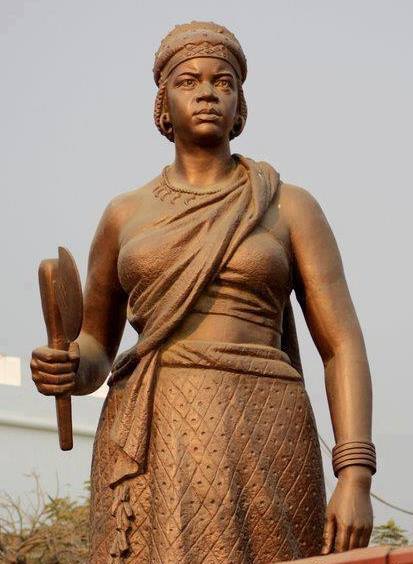
After 25 years of brutal war, Queen Nzinga signed a peace treaty with the Portuguese in 1656. They agreed new borders between Portuguese Angola and Ndongo, and Nzinga was formally recognized as queen of Ndongo and Matamba. She took back control of trade in the kingdom and abolished the slave trade. In her later years, Nzinga focused on rebuilding her kingdom, improving education and reforming the law.
Nzinga died on 17th December 1663 aged 81. She appointed her sister Kambu—also known as Dona Barbara—to succeed her to the throne. A huge funeral ceremony was attended by both Mbundu and Portuguese mourners.
Today Queen Nzinga is remembered as a remarkable leader, who defended her kingdom fiercely during her 30-year reign. She also paved the way for more female rulers—the kingdom was ruled by five more queens over the next century.


People who voted for this also voted for
TV Tropes: Freudian Trio - Western Animation

30 From 93: My Favorite Films From 1993

35 From 00: My Favorite Films From The Year 2000

30 From 97: My Favorite Films From 1997

My Favorite Movies from the 60's

♥Love is in the Air♥

Music...R.I.P...R&B...Heaven's Soul Choir

True Blue Femininity

Best TV episodes of 2020

To Read
Favorite Films with Blue

Magic realism

Best Movie Soundtracks of the 2000s

My Favourite Songs

Brazil on Screen

More lists from ❤ ❣♥ Milena ♥❣ ❤
South African wars
There were evenings like that last year.

Get ready for the huge portion of cuteness ....
Space of Astronaut Watercolor

African history timeline

Who is The Most Powerful God in Hinduism?

Early history of South Africa
