

 Login
Login
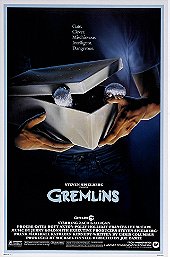
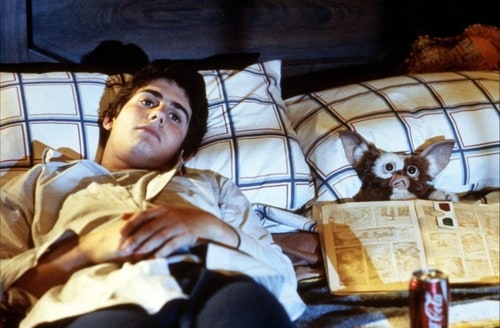
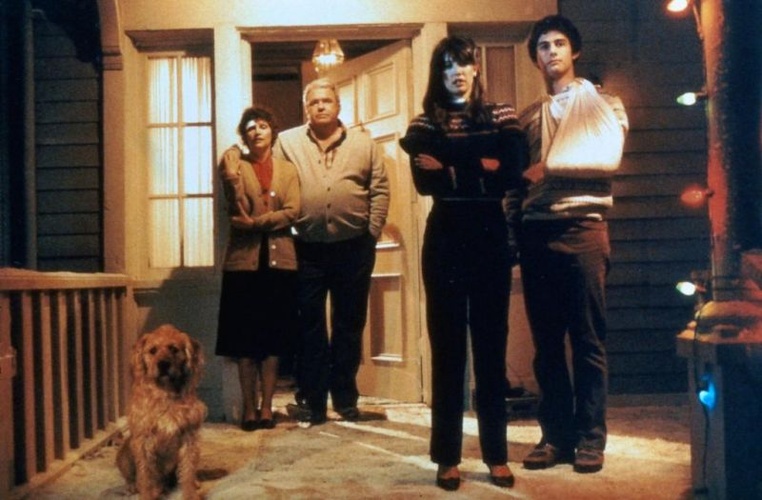
In Chinatown, hapless inventor Randall Peltzer (Hoyt Axton) stumbles into an antique shop and buys a furry, mysterious creature called a mogwai as a Christmas gift for his son, Billy (Zach Galligan). The purchase comes with three non-negotiable rules: keep it dry, shield it from sunlight, and never, under any circumstances, feed it after midnight. Billy adores the mogwai, whom he names Gizmo, but the rules inevitably snap under pressure. Spilled water triggers the spawning of several more mogwai, and a forbidden late-night snack mutates Gizmo's offspring into vicious green gremlins. On Christmas Eve, the creatures overrun the town, forcing Billy, his girlfriend Kate (Phoebe Cates), and Gizmo to fight back before the chaos spirals out of control.
Screenwriter Chris Columbus, penning his first produced script, brings a surprisingly Dickensian touch to the film's early stretch. He populates the town with a cranky, xenophobic neighbour (played with customary gusto by Dick Miller) and a wealthy, heartless antagonist in the form of widowed miser Ruby Deagle (Polly Holliday), a figure who could have stepped straight out of A Christmas Carol. The setup seems to prime viewers for a touching holiday miracle, especially with Billy's mother watching It's a Wonderful Life in an early scene, but director Joe Dante gleefully undercuts those expectations, hurling the narrative into dark comedy and creature-feature mayhem. The tension between quaint small-town sentiment and gleeful destruction becomes one of the film's most memorable tricks.
Dante's bold tonal balancing act, however, does not always land. The director (who previously helmed Piranha and The Howling) blends slapstick humour with genuine horror, but the extremes often undermine rather than enrich one another. The violence feels too intense for a pure comedy, while the jokes lose momentum whenever the film leans into real menace. Still, Gremlins sparks to life in several standout scenes, and the film contains several unexpectedly compelling dramatic scenes. Kate's monologue about a childhood Christmas trauma, delivered with understated sincerity by Cates, momentarily shifts the movie into poignant territory. Meanwhile, young Galligan proves an affable lead, anchoring the chaos with earnest charm. Dante also peppers the cast with early-career turns from Judge Reinhold and a young Corey Feldman, both of whom add texture in their brief roles.
Of course, Gremlins remains proudly, knowingly silly. The mythology raises more questions than it answers - the most glaring unanswered question is when exactly "after midnight" ends. Also, why do the creatures react so dramatically to light, water, or food? And if they can multiply so easily, why don't they attempt global domination? The film invites these questions without offering solutions, and Dante clearly expects the audience to embrace the absurdity. One might also wonder why nobody reaches for a gun or even a baseball bat until late in the movie, especially in America's gun-centric culture. But suspension of disbelief becomes part of the fun.
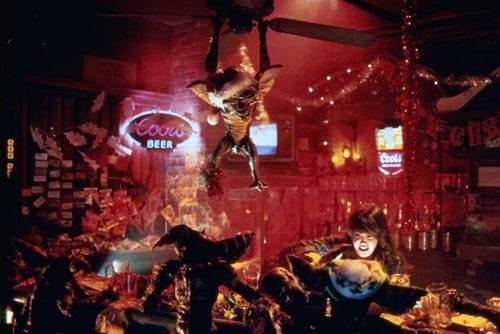
As an Amblin production, Spielberg's influence is apparent throughout Gremlins, particularly in the film's generous budget and ambitious practical effects. Chris Walas (the special effects artist behind David Cronenberg's The Fly) and his team bring the gremlins to life with expressive puppetry and imaginative design, giving even the most manic scenes a tactile charm. The film hits its peak during a bar sequence in which the gremlins parody human vices - drinking, gambling, pickpocketing, even line-dancing - in a delirious montage of cartoonish anarchy. Jerry Goldsmith's unforgettable theme music completes the package, sealing the film's identity as a gleeful mix of horror, humour, and holiday madness.
In the end, Gremlins resists easy categorisation. Its script wobbles, its tone occasionally veers too dark, and its logic hardly withstands scrutiny, but that unruly spirit gives the film part of its lasting appeal. When Dante embraces the story's camp potential, Gremlins becomes a riotous, alternative Christmas classic that continues to charm audiences decades later.
6.7/10


