
 Login
Login
Why She's #11
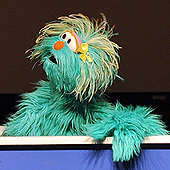
Rosita's cultural significance exceeds her screen time. As Sesame Street's first regular bilingual character, she represented a deliberate acknowledgment that the show's audience included millions of Spanish-speaking children who deserved to see themselves on the street.
She is fluent in both English and Spanish, teaches the Spanish word of the day, plays guitar, and demonstrates competence in history and geography. Her ranking at #11 reflects limited storyline development rather than cultural importance.
Character Profile
Rosita is optimistic, playful, and proud of her Mexican heritage. She brings bilingualism to the show not as a novelty but as a natural part of who she is — code-switching between English and Spanish the way millions of American children do every day.
Her full name — Rosita la Monstrua de las Cuevas — connects her to a mythological tradition outside the American mainstream, giving her a cultural specificity that most Sesame Street characters don't have.
Educational Function
Rosita teaches:
Bilingual literacy — Spanish language integration throughout the show
Cultural pride — representing heritage as a source of strength
Music — guitar playing as a form of expression and connection
Listal Rating: ⭐⭐⭐½ (3.5/5)
Historically important. Deserved more storylines. Her presence mattered to millions of kids who never saw themselves on this block before.
CultureTechLens | Sesame Street Characters Ranked